About
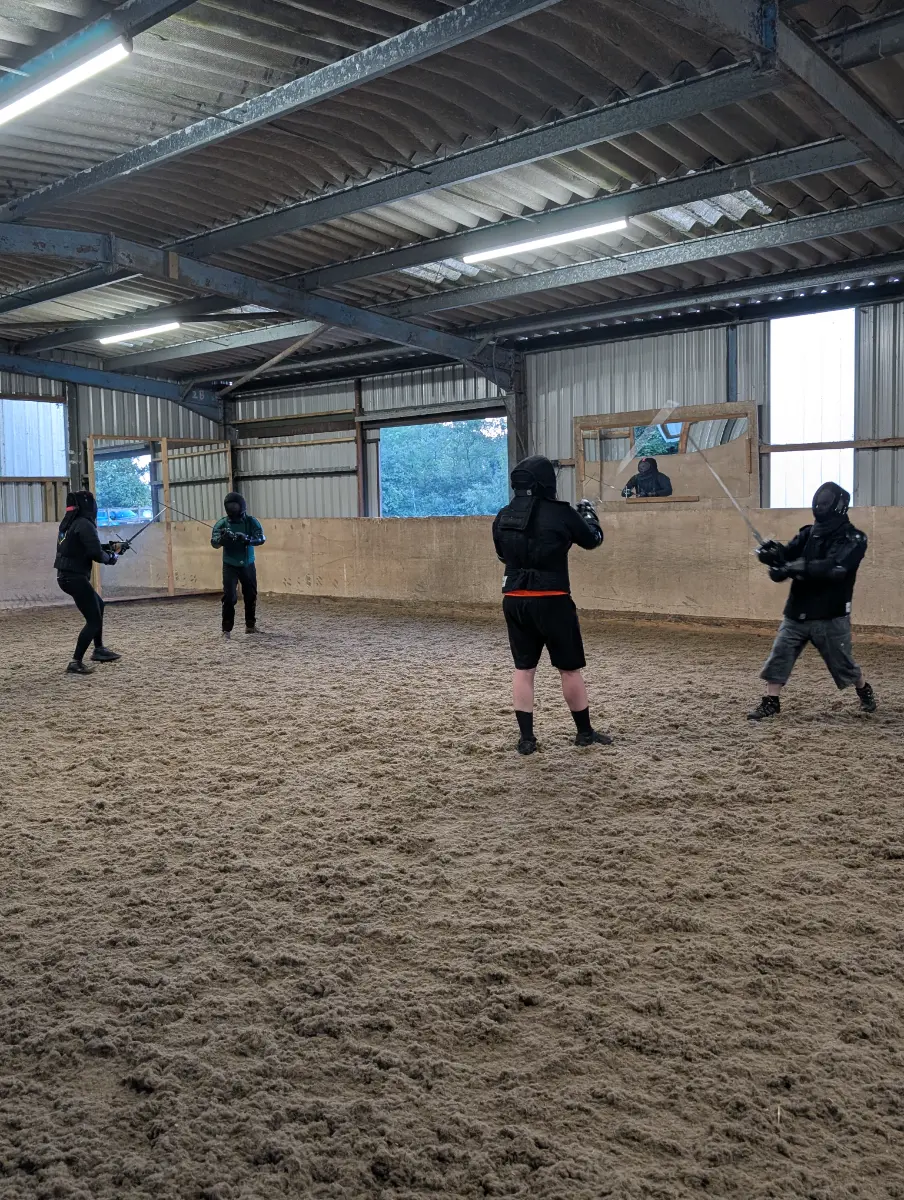
Our Approach to Swordsmanship
Our primary focus is the longsword, with our teaching rooted in the works of Fiore dei Liberi and the later Italian fencing tradition. We also draw on German sources and other historical traditions to develop a broader understanding of European swordsmanship.
While historical sources provide the foundation for our training, we don't believe students should be limited to understanding only one system. We incorporate concepts and terminology from modern fencing where they help explain the principles of distance, timing, tactics, and technique.
Our goal is to develop well-rounded fencers who can recognise what an opponent is doing, understand the tactical choices available to them, and adapt to different styles of fencing. By exploring the connections between historical traditions and modern fencing concepts, we aim to give students a deeper understanding of HEMA as a whole.
At Art of Arms, we teach students to understand swordsmanship, not simply memorise techniques.
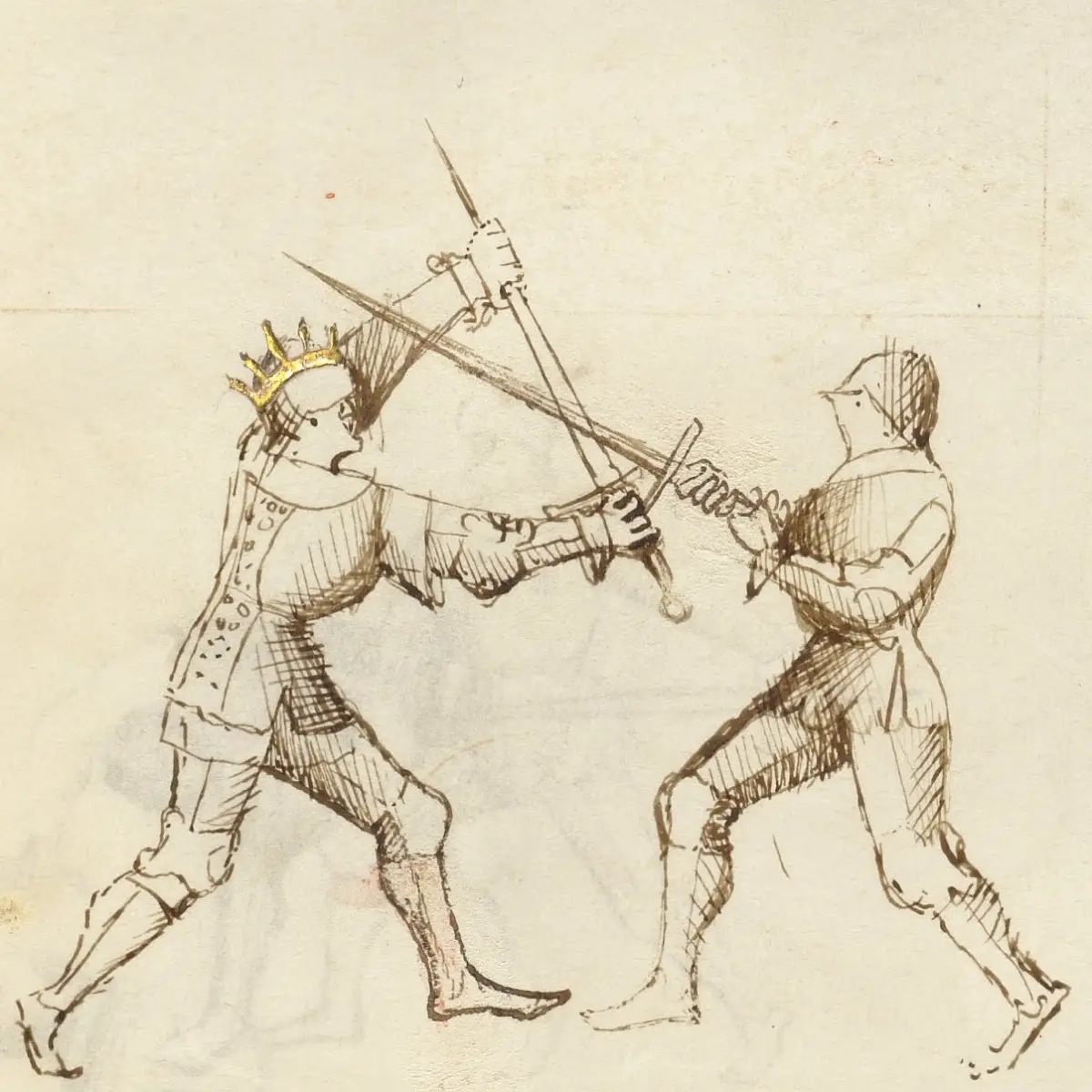
Fiore dei Liberi
Fiore's Fior di Battaglia (The Flower of Battle) is at the heart of our longsword curriculum. Written in the first quarter of the 1400s, this illustrated martial treatise covers swordsmanship, wrestling, dagger fighting, and combat both on foot and horseback.
We use Fiore's teachings as a foundation to understand lonsword guards, footwork, attacks, defences, and the core underlying principles that connect combat with multiple different historical weapons including the dagger, spear, and poleaxe.
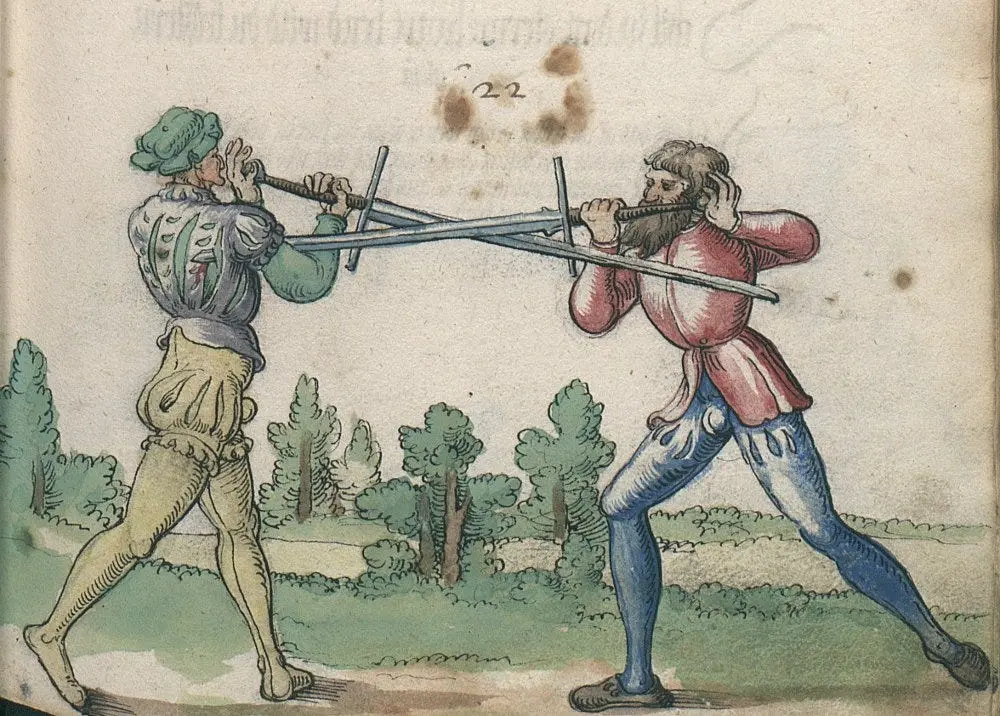
The German tradition, particularly the teachings associated with Johannes Liechtenauer, offers another perspective on longsword fencing.
Our advanced students explore German interprations of initiative, timing, and working from the bind, comparing the KDF approach with the Italian techniques we study. This helps students recognise different fencing styles and develop a more adaptable understanding of swordsmanship.
Later Italian Swordsmanship
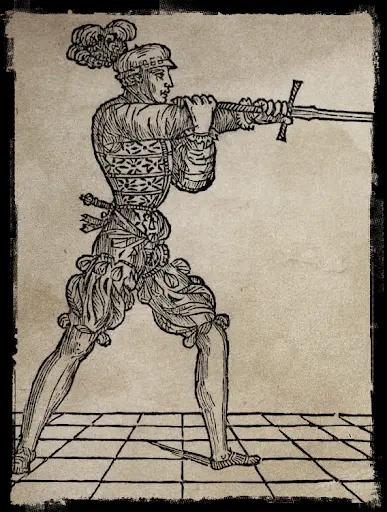
Our exploration of Italian martial arts extends beyond Fiore to later masters such as Pietro Monte and the Bolognese fencing tradition.
These sources offer advanced students additional perspectives on movement, guards, tactics, and the use of different weapons. By studying how Italian swordsmanship developed over time, we can explore both the continuities and differences between approaches as weapons transitioned and the goals of combat changed.
Understanding the art, not just the techniques
We use historical sources alongside concepts and terminology from modern fencing to help students develop a broader understanding of swordsmanship. Our goal is that our students could travel anywhere in the world, join a HEMA class, and feel like they have the terminology and understanding to flourish no matter the source taught.
Our competitive aim is to produce thoughtful, adaptable fencers who can recognise an opponent's intentions, understand unfamiliar techniques, and apply the principles of their preferred historical fencing style in practice.